
Court approves sale of Spirit Airlines workplace data to Google, with privacy conditions
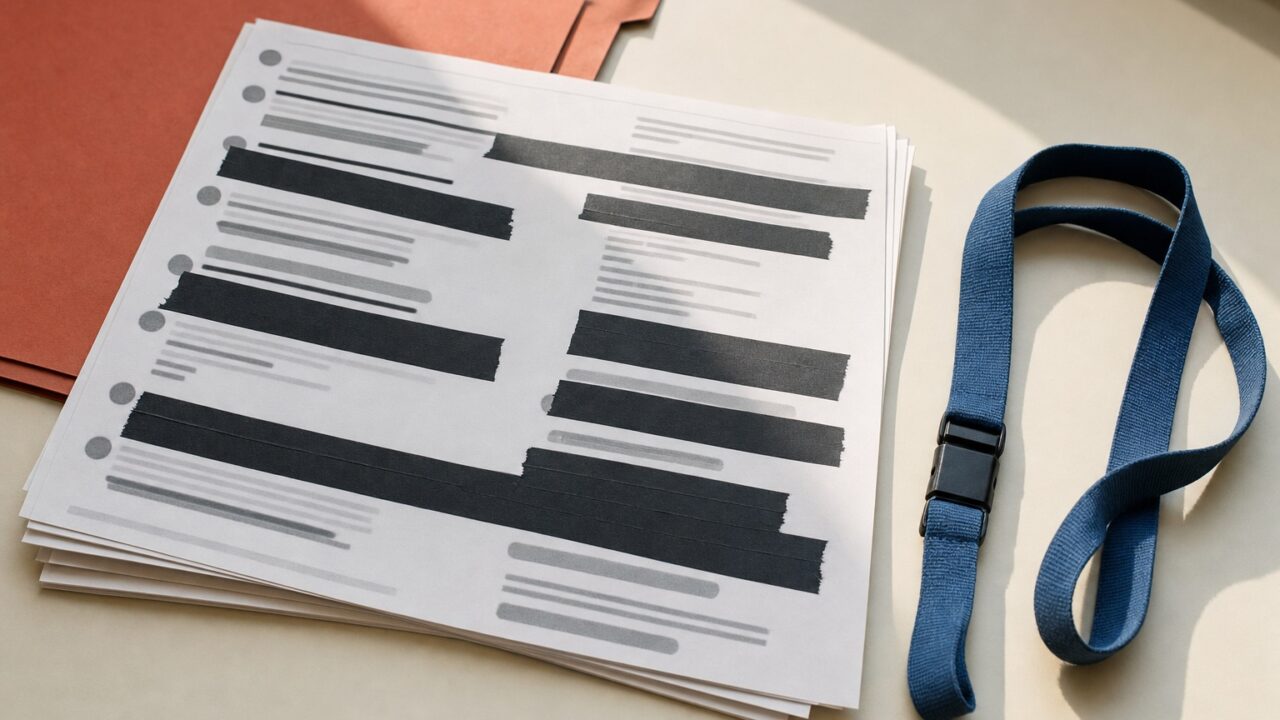
A US bankruptcy judge approved Google’s $10 million purchase of internal data from the former Spirit Airlines on November 17, advancing a deal that has raised questions about what happens to workplace communications when a company shuts down.
The data is intended for artificial intelligence development, according to reporting on the transaction. The deal comes with measures designed to remove or transform identifying information and exclude sensitive records before delivery. But the details of those protections matter: a court filing describes an exception for certain information that cannot reasonably be removed.
Reuters reported the judge’s approval at a New York hearing. The Record reported on November 18 that the flight attendants’ union withdrew its objection after securing additional privacy protections. Approval of the sale does not, by itself, establish that the data has already been delivered to Google.
What Google is buying
Spirit ceased operations in May. Its bankruptcy estate subsequently arranged to sell internal business data, rather than a conventional physical asset. The Record reported that the material includes an estimated 100 million emails and 500 million Microsoft Teams messages; those figures are estimates, not a count of individuals affected.
The transaction has attracted scrutiny because ordinary work communications can contain personal details, even when their original purpose was business. Email and chat archives can also reveal relationships, habits and context that are difficult to eliminate simply by removing names.
According to The Record, Google has said it intends to use the data to train AI models. That does not mean that every email will appear in an AI product, or that the company will receive the original, unprocessed archive.
The promised privacy checks—and an important exception
A revised proposed sale agreement filed with the bankruptcy court before the hearing describes a third-party processing step before delivery. Its stated goal is to transform the material so it cannot reasonably be linked to a particular employee or consumer. This process is known as de-identification: it can involve removing or altering identifying details, although it is not a guarantee that re-identification is impossible.
The filing also describes an independent verification agent and identifies categories of employee information for exclusion, including medical and disability data, drug and alcohol testing records, and disciplinary files. It excludes customer lists and personal data as defined in the agreement.
There is a qualification. The proposed agreement says that certain categories of excluded employee data that cannot reasonably be removed under its procedures may instead be de-identified and treated as part of the de-identified data. Other specified categories, including flight-attendant audio and video recordings and biometric data, are excluded whether or not they have been de-identified. The filing is a proposed agreement submitted before the hearing; it should not be mistaken for the signed court order.
The Record reported that Google also agreed not to attempt to re-identify the data, and that an independent assessor would review the processed material. These are meaningful commitments, but their effectiveness depends on how the procedures are carried out and tested.
Why the deal matters beyond Spirit
This is not a report of a hack or a public data leak. It is a court-approved sale of business information, with contractual safeguards intended to protect people whose information may appear in it. The privacy question is nevertheless significant: records created for work may retain value—and find new uses—after an employer disappears.
De-identification reduces risk rather than eliminating it. A distinctive event, job role or combination of details in a message might still be revealing in context. That is why the scope of exclusions, independent verification and restrictions on later use matter alongside promises to remove identifiers.
For former Spirit employees with questions about the agreement or their records, the flight attendants’ union or another relevant representative is a more useful starting point than assuming the court approval created an individual opt-out. This reporting does not establish an opt-out or claim that every employee’s communications are included.
For everyone else, the case is a reminder to understand an employer’s policies on retention and acceptable use of workplace tools. Keep personal conversations in personal accounts where possible, and avoid sending sensitive information through workplace systems unless the task requires it. Those steps cannot change what is already in an employer’s archive, but they can limit unnecessary exposure in future records.
Sources & further reading
- Reuters: US bankruptcy judge approves Spirit Airlines data sale to Google (November 17, 2026) (opens in a new tab)
- The Record: Judge signs off on sale of Spirit Airlines data to Google (November 18, 2026) (opens in a new tab)
- Spirit bankruptcy: Further revised proposed sale order and agreement (filed before the November 17 hearing) (opens in a new tab)